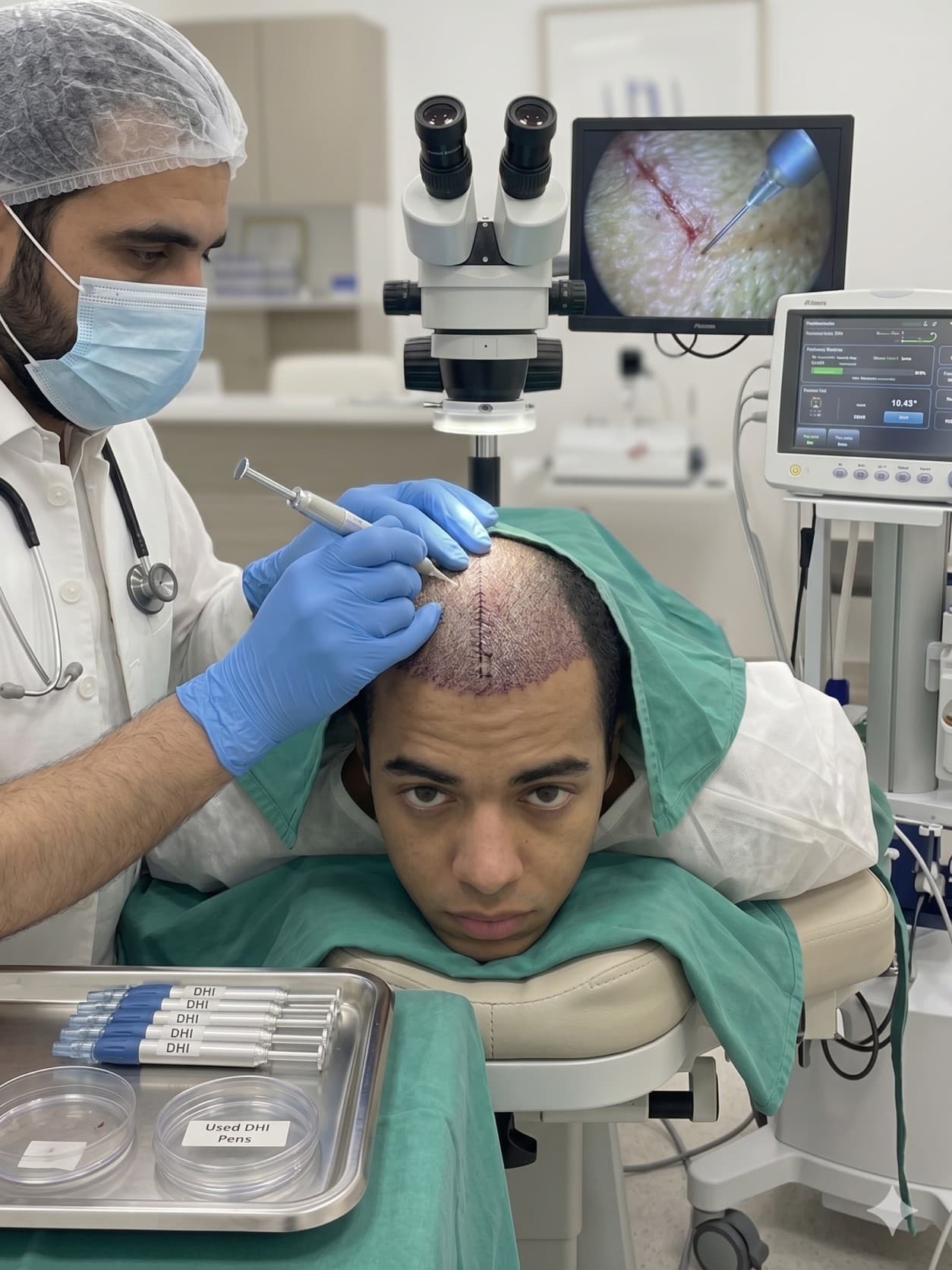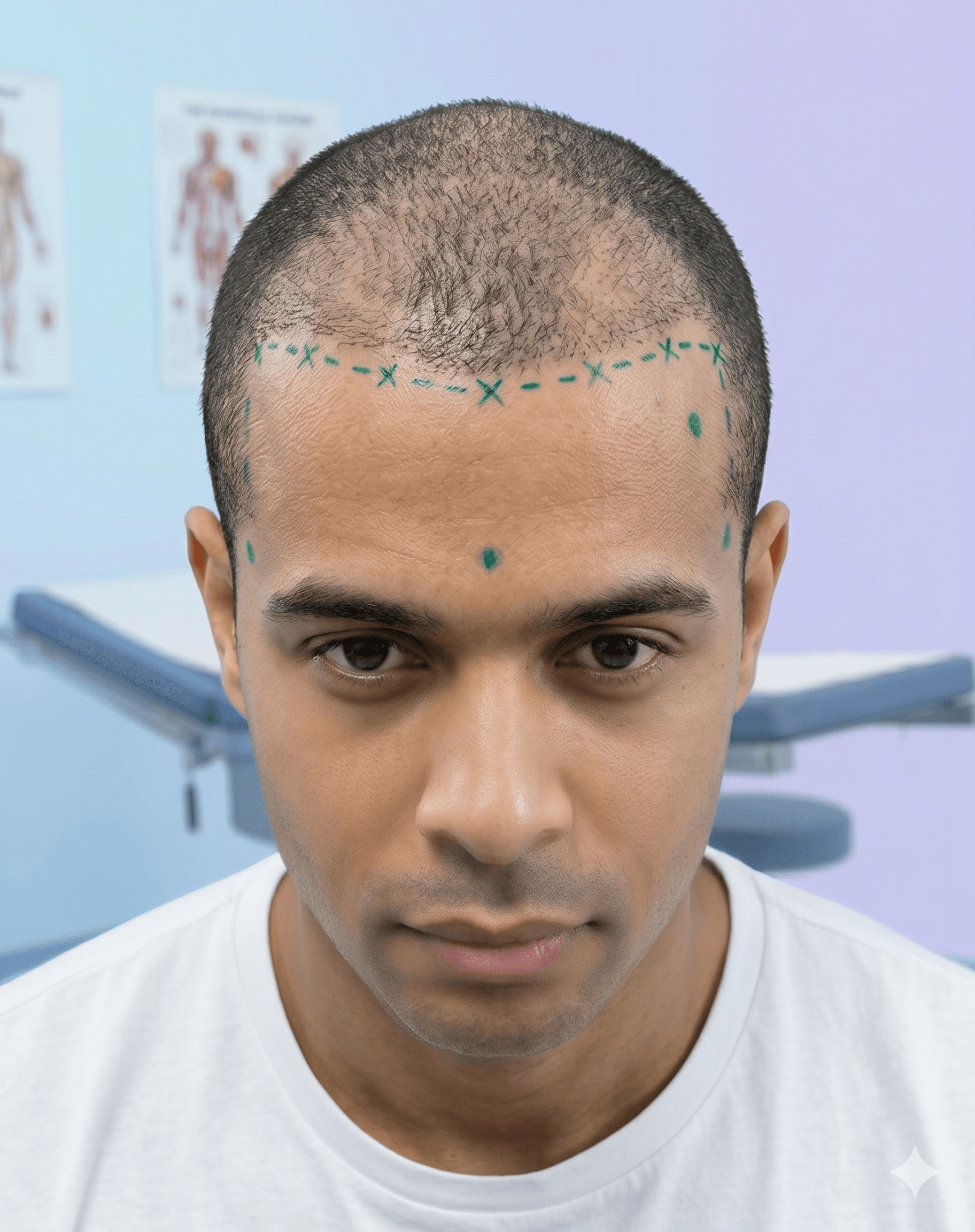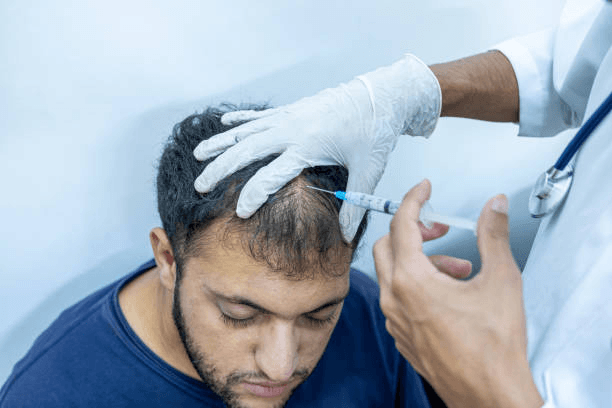
PRP hair therapy is popular because it sounds simple: draw blood, prepare platelet-rich plasma, and inject it into thinning areas. The reality is more nuanced. PRP may help selected patients, but it is not a miracle cure and it does not replace proper diagnosis.
When I discuss PRP with patients, I focus on stage of hair loss, donor quality, family history, scalp health, and expectations. The best plan may be PRP, medical therapy, hair transplant, or simply monitoring for a period of time.
Key Takeaways
PRP may be useful for early thinning and hair quality support in selected patients.
It does not recreate a missing hairline or restore a fully bald area.
A proper hair analysis is needed before recommending PRP.
Results, when they occur, are gradual and often require maintenance sessions.
What PRP Hair Therapy Actually Is
PRP stands for platelet-rich plasma. A small amount of the patient's blood is processed to concentrate platelets, which contain growth factors involved in healing and tissue signaling. The prepared plasma is then injected into the scalp.
The goal is to support weak follicles, improve hair quality, and slow early thinning in suitable patients. It is not a surgical procedure, and it does not move hair from one area to another.
Who May Benefit from PRP
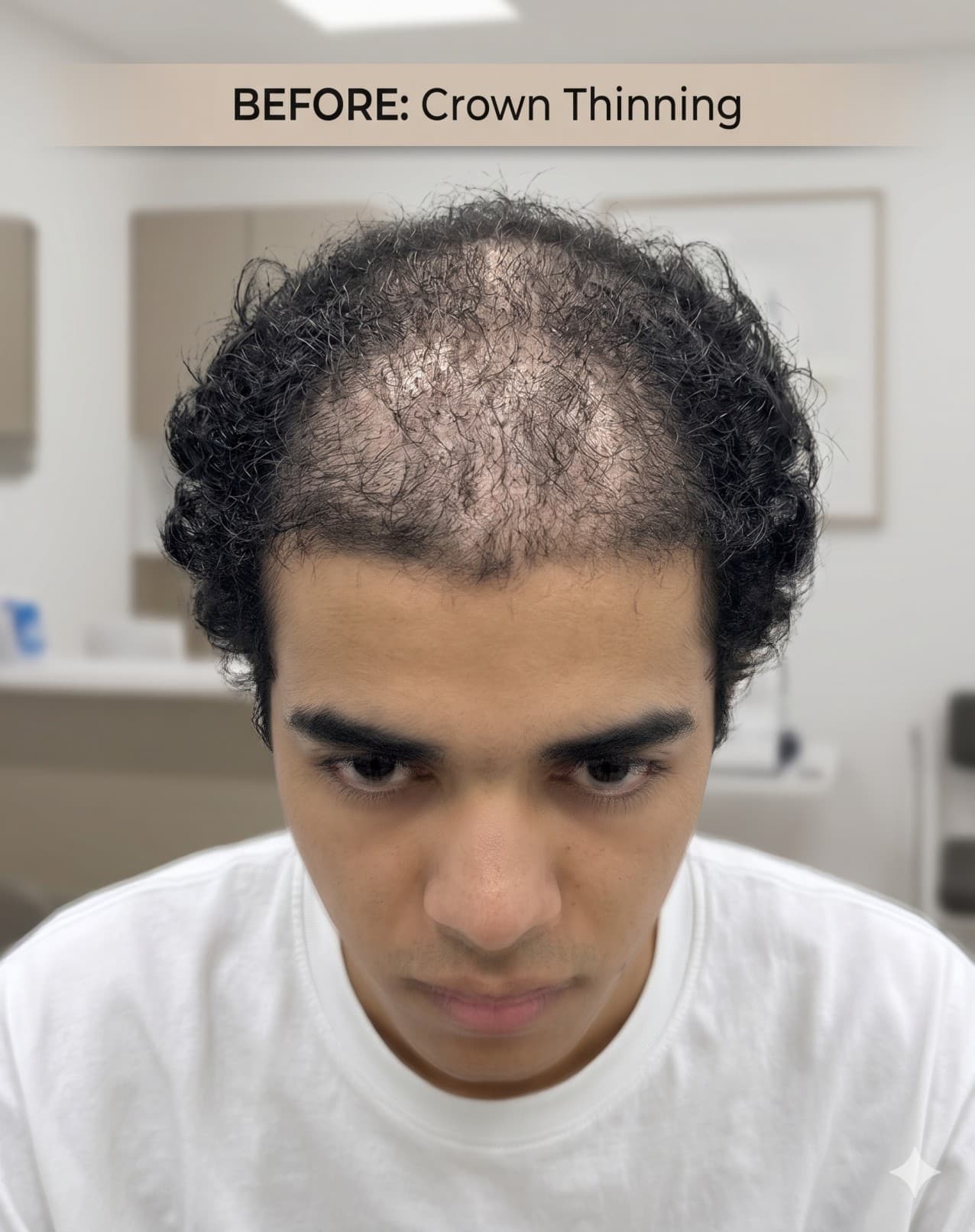
PRP is usually most reasonable for patients with early thinning, miniaturized hair, or hair shedding where follicles are still present. It may also be discussed as supportive care after hair transplant in selected cases.
Patients with completely bald areas should understand that PRP cannot create new follicles where follicles are no longer active. In those cases, transplant planning may be more relevant if donor hair is suitable.
- Early thinning with existing hair.
- Diffuse weakness rather than complete baldness.
- Patients willing to follow a maintenance plan.
- Realistic expectations about gradual change.
Where PRP Falls Short
The biggest problem with PRP marketing is overpromising. PRP cannot correct a low donor supply, cannot reverse advanced baldness, and cannot replace a designed hairline when hairline loss is established.
This is why I avoid presenting PRP as a universal answer. It is one tool. Used well, it can support the right patient. Used poorly, it can waste time and money while hair loss progresses.
“PRP should be recommended because it fits the diagnosis, not because it is easy to sell.”
Dr. Karamat Ullah Miami
When Patients May Notice Change
PRP results are gradual. Some patients notice reduced shedding or improved hair texture after several sessions, while others may see limited visible change. Hair biology is slow, so judging too early can be misleading.
I usually explain that maintenance is part of the conversation. If a patient expects one session to permanently solve genetic hair loss, the expectation needs to be corrected before treatment.
PRP vs Hair Transplant
PRP supports existing follicles. A hair transplant relocates follicles from a donor area to areas of loss. These are different strategies, not competitors.
Some patients need PRP. Some need transplant. Some need both at different times. The correct decision depends on pattern, age, donor supply, medical history, and long-term planning.
Common Questions
FAQs
Patients may feel small injections and scalp tenderness, but discomfort is usually manageable. Comfort measures are discussed during consultation.
Private Consultation
Find Out Whether PRP Is Right for Your Hair Loss
Book a private hair analysis in Peshawar to discuss early thinning, PRP suitability, medical options, and hair transplant timing.