Hair loss affects people differently. For some, it begins slowly around the hairline. Others notice thinning at the crown or reduced density over time. Many patients tell me the change feels gradual at first — but eventually it starts affecting confidence, photographs, social interactions, or even the way they style their hair every day.
At Miami Plastic Surgery & Hair Transplant Center in Peshawar, I believe hair restoration should be approached carefully, honestly, and with long-term planning in mind. Today, patients from Pakistan, the USA, UK, UAE, Canada, and other countries often research hair transplant options online before deciding where to begin consultation.
Understanding Hair Loss
Hair loss can happen for many reasons. The most common cause is genetic hair loss — often called male or female pattern hair loss. However, stress, hormonal changes, medical conditions, nutritional deficiencies, previous procedures, or scalp conditions may also contribute.
One of the most important parts of consultation is understanding the pattern and stability of hair loss before recommending any treatment. When I evaluate a patient, I usually focus on:
Many patients are surprised to learn that not everyone is immediately suitable for surgery. In some cases, medical therapy, PRP hair treatment, or long-term planning may be more appropriate before considering transplantation.
“A successful hair transplant is not only about placing grafts. It is about designing a natural hairline, respecting future hair loss patterns, and creating results that continue to look believable years later.”
Why Hairline Design Matters More Than Density Alone
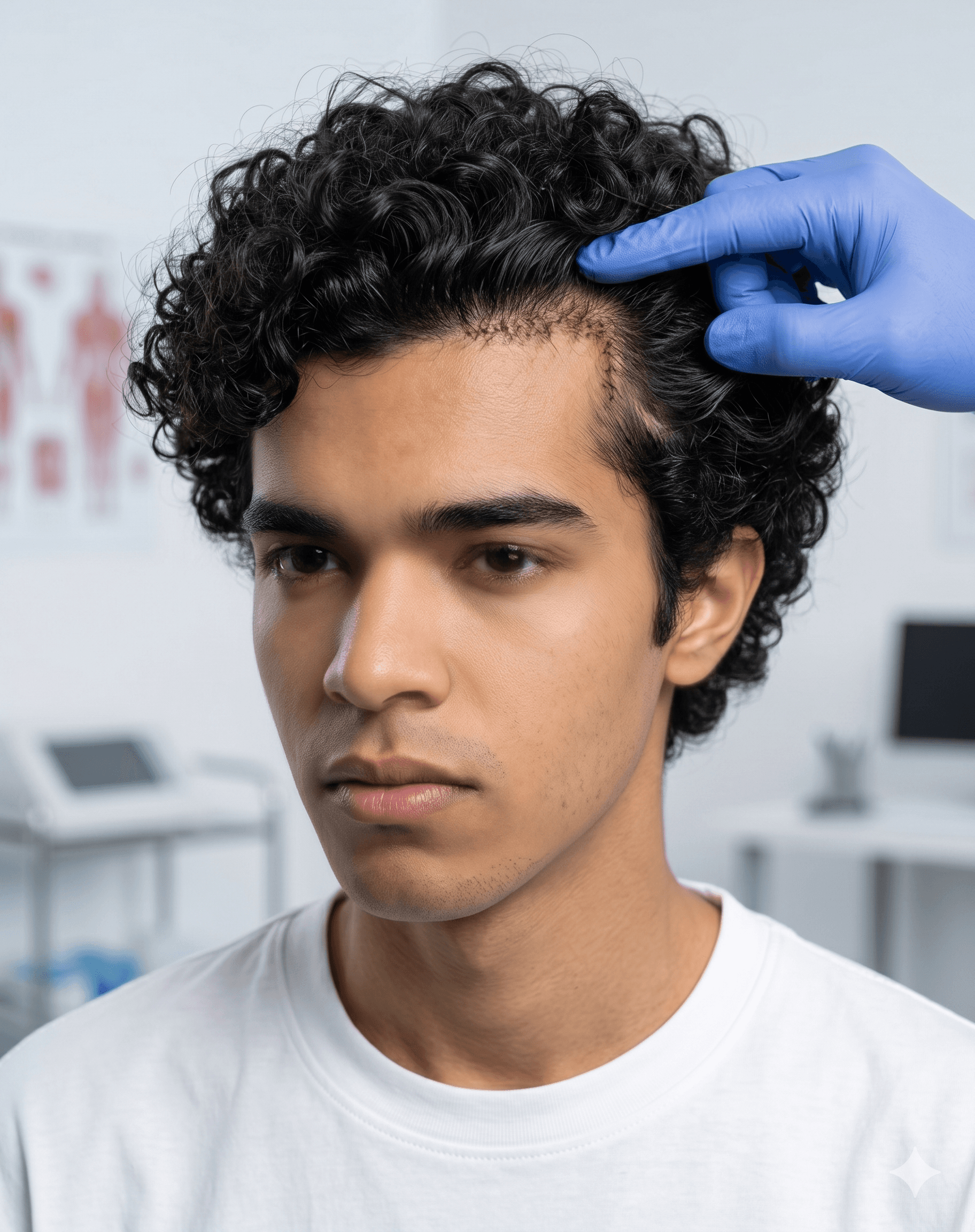
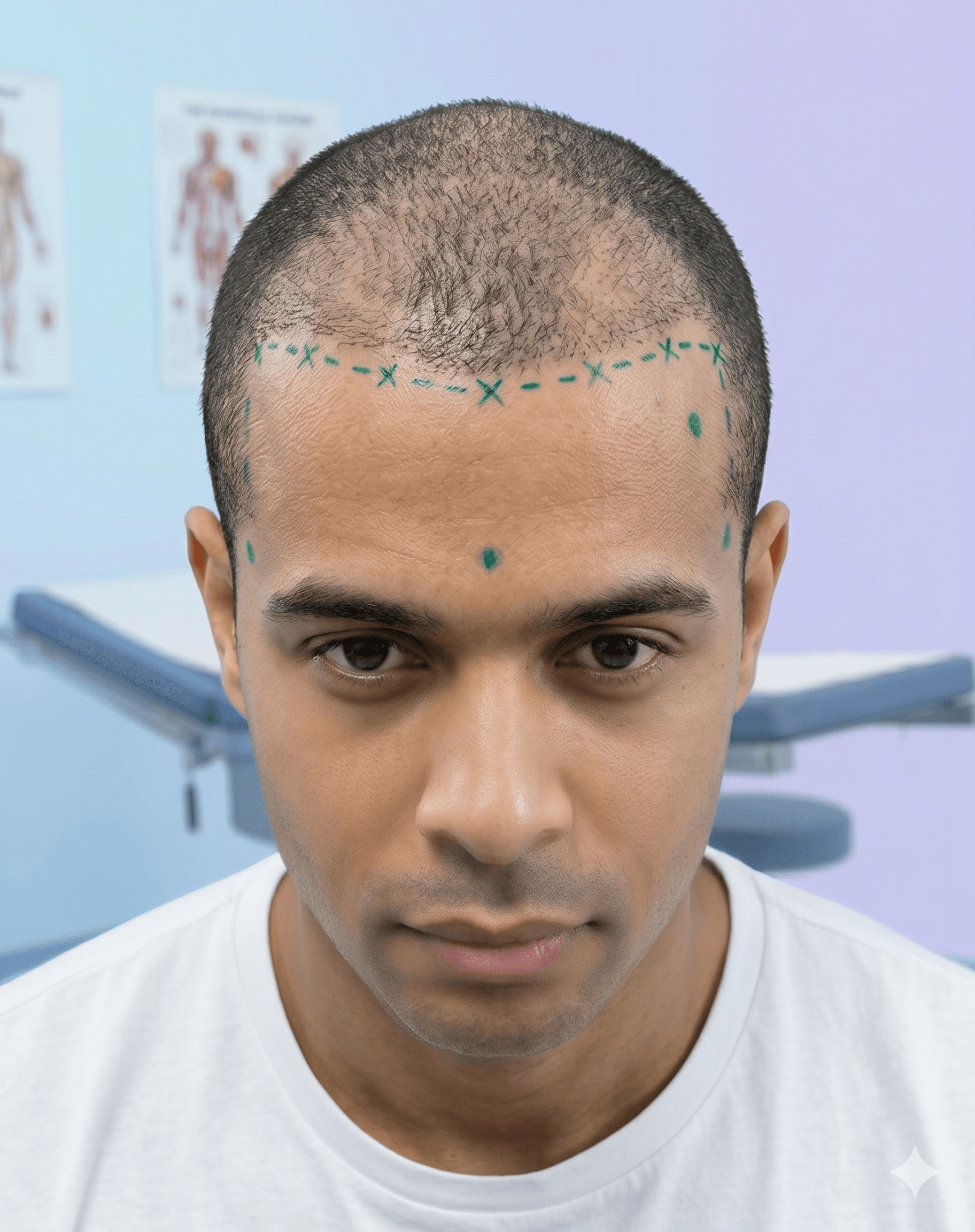
A natural hair transplant is not created by simply placing the maximum number of grafts. In reality, hairline design is one of the most important parts of modern hair restoration.
An aggressive or unnaturally low hairline may look artificial over time — especially as future hair loss progresses. My approach is to design hairlines that match facial structure, age, donor availability, and long-term balance.
A properly planned hairline should:
- Fit the patient's face naturally without looking imposed
- Avoid harsh or unnaturally sharp edges
- Maintain realistic density transitions front-to-back
- Age appropriately over time as surrounding hair changes
- Blend naturally with existing hair direction and angle
Patients often focus only on graft numbers, but natural direction, spacing, angle, and long-term planning are equally — if not more — important.
FUE Hair Transplant in Pakistan
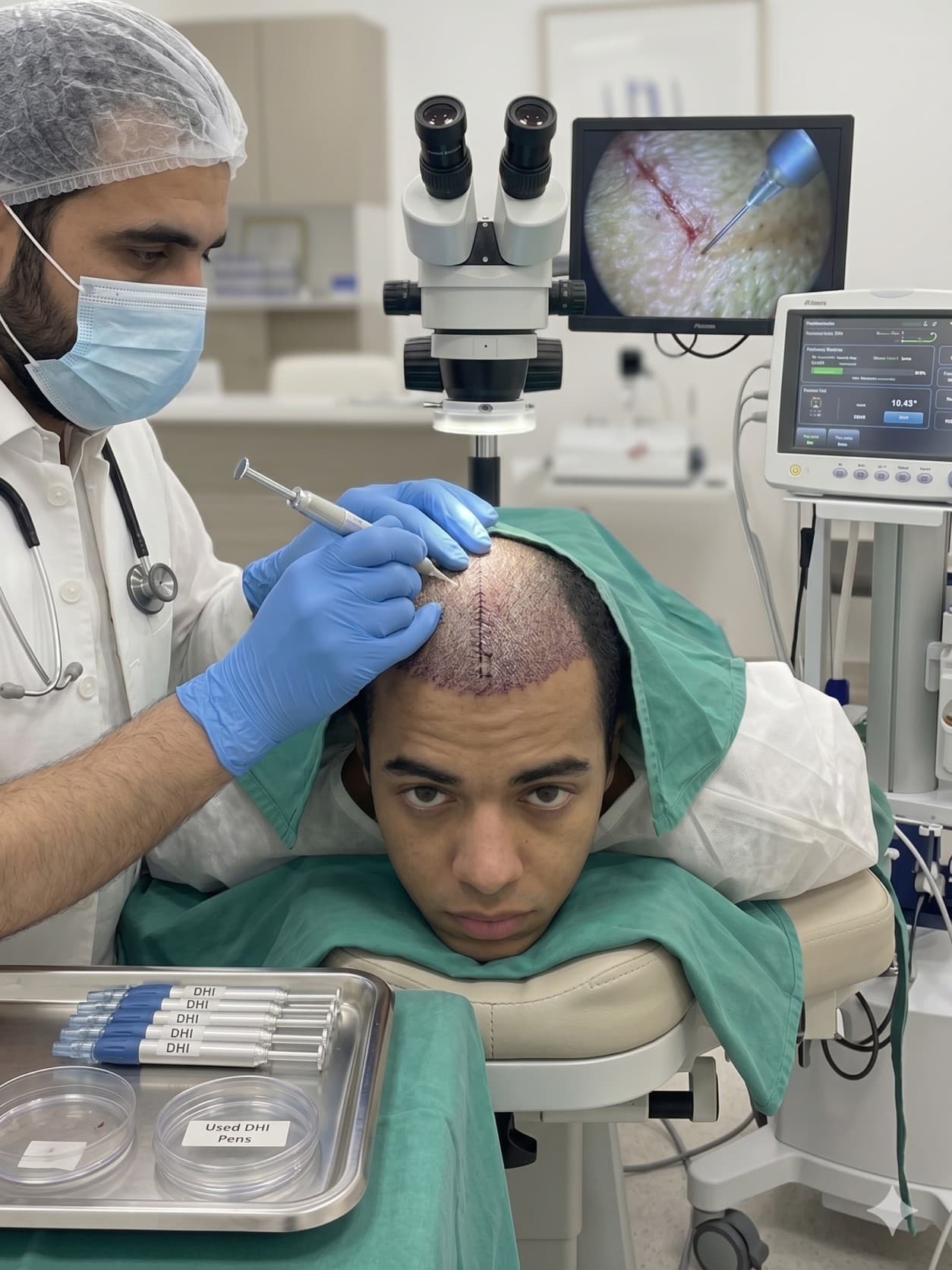
FUE — Follicular Unit Extraction — remains one of the most commonly performed modern hair transplant techniques. During FUE, individual follicular units are extracted carefully from the donor area and placed into thinning or bald regions according to a personalized plan.
FUE may help improve:
One reason many international patients research FUE hair transplant in Pakistan is the growing interest in modern hair restoration combined with personalised planning and consultation. However, technique alone does not guarantee natural results. Experience, graft handling, donor management, and hairline artistry remain extremely important.
DHI and Sapphire FUE
Patients researching hair transplant procedures online often compare FUE, DHI, and Sapphire FUE. In reality, the best approach depends on the patient rather than internet trends.
DHI hair transplant may help with controlled implantation and detailed graft placement in selected cases. Sapphire FUE uses specialised blades during channel creation and may be considered depending on scalp condition and individual planning requirements.
Important to Remember
A successful result depends more on planning, donor quality, natural placement, and realistic expectations than on marketing terminology alone. The technique matters — but the surgeon's judgment and artistry matter more.
Hair Transplant Recovery Timeline
One of the most common questions patients ask is how long hair transplant recovery takes. Recovery happens gradually — understanding this helps patients stay realistic during the healing phase.
First Few Days
Days 1–5- Mild swelling may occur around the forehead
- Small scabs form around transplanted grafts
- Scalp may feel tight or sensitive
- Careful washing instructions are provided
First Two Weeks
Days 6–14- Scabs gradually clear
- Temporary shedding of transplanted hair may begin
- Donor area continues healing
3 – 4 Months
Early growth phase- Early new hair growth may become visible
- Density is usually still limited at this stage
- Growth continues to develop gradually
6 – 12 Months
Maturation phase- Continued maturation and thickening of transplanted hair
- Improved density and natural blending with existing hair
- Ongoing refinement of texture and coverage
Hair restoration is a gradual process. Patience is important throughout.

Miami Plastic Surgery & Hair Transplant Center
Personalised hair restoration planning in Peshawar
Hair Transplant for International Patients
Patients from the USA, UK, UAE, Canada, and Australia often contact our clinic through WhatsApp before planning travel to Pakistan. Most international consultations begin with:
- Hair loss photos (top, sides, and donor area)
- Hair loss history and timeline
- Medical background and current medications
- Initial donor assessment discussion
- Goals, expectations, and questions
- Recovery and travel planning guidance
For international patients, planning is especially important because travel, healing time, and follow-up guidance must all be considered carefully. I always encourage patients to avoid rushing decisions based only on social media advertisements or unrealistic online transformations.
Hair Transplant for Local Patients in Pakistan
Hair restoration has become increasingly common among local patients across Pakistan. Many people now seek consultation earlier in the hair loss process instead of waiting until large bald areas develop.
Early consultation may allow better donor management, more conservative planning, medical hair stabilisation, and an improved long-term strategy. At Miami Plastic Surgery & Hair Transplant Center in Peshawar, consultations are handled privately and professionally for both local and international patients.
Is Hair Transplant Permanent?
Transplanted hair follicles are generally resistant to the pattern of hair loss affecting other areas of the scalp. However, natural non-transplanted hair may continue thinning over time.
This is why future planning matters. A hair transplant should never be planned only for immediate appearance — it should also consider how the hair may look years later. In some patients, additional procedures or maintenance therapies may eventually be discussed depending on progression.
“Natural-looking hair restoration often comes from restraint and planning rather than aggressive placement.”
Safety and Realistic Expectations
Hair restoration should always begin with honest discussion.
Not every patient needs surgery immediately.
Not every patient requires extremely high graft numbers.
Not every internet trend leads to natural-looking outcomes.
When I plan hair restoration, my goal is to create balance, natural direction, and believable density while protecting long-term donor quality.
Final Thoughts
Hair transplant surgery has evolved significantly. Modern techniques now allow more refined planning, natural hairline design, and improved graft handling compared to older approaches.
But the most important part of successful hair restoration remains individualised planning. Every scalp, donor area, hair texture, facial structure, and pattern of loss is different.
Whether a patient is visiting from Pakistan or researching internationally from the USA, UK, UAE, or Canada — consultation should focus on realistic expectations, long-term strategy, and natural outcomes rather than marketing promises alone.
— Dr. Karamat Ullah Miami, Miami Plastic Surgery & Hair Transplant Center, Peshawar